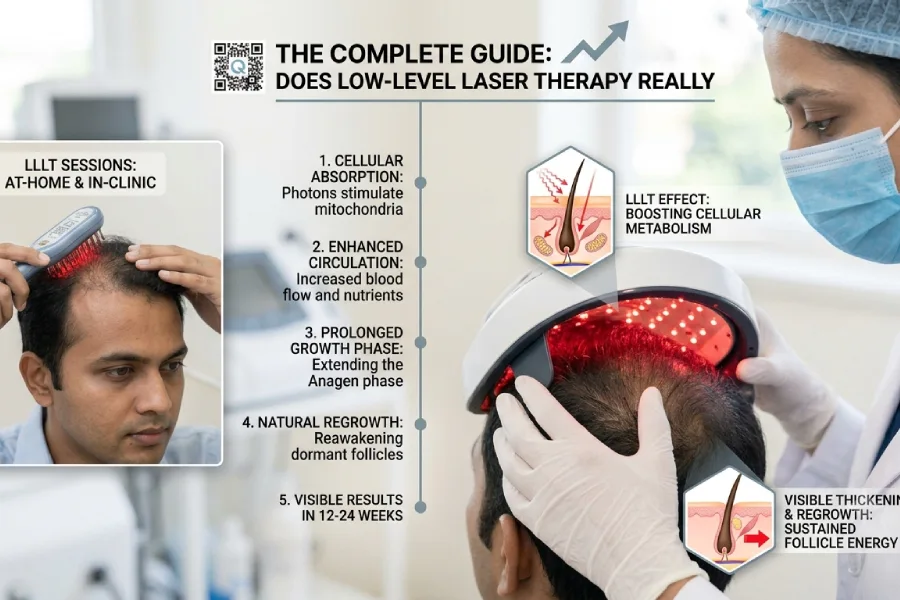
Does Low-Level Laser Therapy Really Regrow Hair? The Truth Revealed


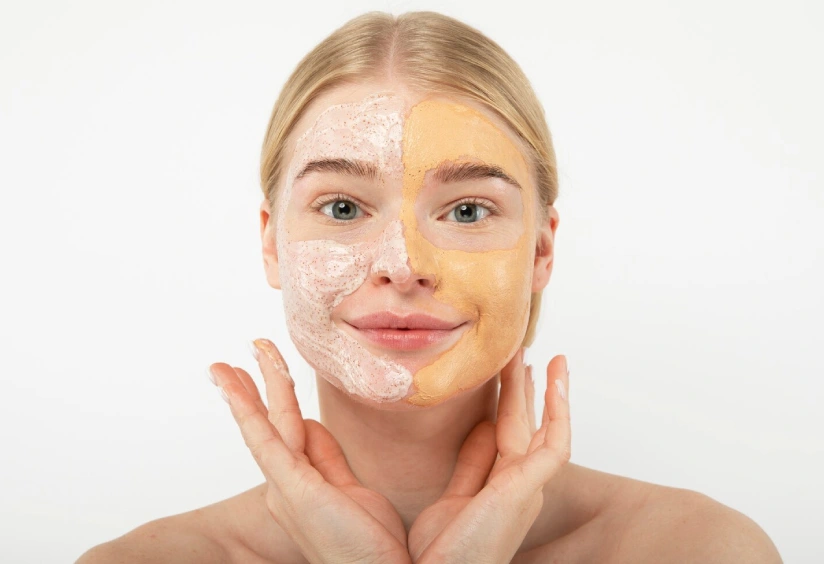
Healthy, glowing skin isn’t an overnight miracle. Well, vibrant looking skin is only achievable with proper skin care, dermatologist-recommended aesthetic skin treatments, consistent use of the right skincare, and, most importantly, knowledge of real skin needs.
At present, the two professional skin treatments that are in trend are facials and chemical peels. Though both aim to improve skin texture and tone, the science behind them differs.
If you are considering a chemical peel treatment in Delhi or exploring professional facial treatments, understanding the difference between the two can help you make a more informed choice.
Read along with our expert-backed comparison of facials and chemical peels, then make the best-suited selection.
Facials are multi-step, surface-level skincare treatments designed and supervised by skincare professionals to improve the skin's appearance and maintain its health.
Most types of facials follow these steps: Cleansing, Exfoliation, Steam, Extraction, a Relaxing Massage, and the Application of Serums, Masks, and Moisturisers.
Overall, facials focus on improving blood circulation and lymphatic drainage. They make people feel relaxed and even give the skin an immediate glow.
Facials work best for individuals seeking a natural, rejuvenated appearance and a gentle, consistent skincare regimen. They do wonders for those who have:
The results generally last for a few weeks to months when performed repeatedly.
Chemical peels are acid exfoliants, such as lactic acid, glycolic acid, salicylic acid, trichloroacetic acid, or phenols, that work at different depths of the skin to remove damaged or old skin layers. They are available in prescription strengths at a dermatologist's office.
Peels are categorized as follows:
Unlike facials, chemical peels provide controlled removal of the skin layers and boost natural skin regeneration. Mild and medium peels require repetition and have shorter recovery, while deep peels provide dramatic improvements in a single session and involve longer recovery.
| Features | Facials | Chemical Peels |
| Treatment Depth | Superficial | Superficial to Deep (as per chosen chemical peel type) |
| Treatment Purpose | Done for better hydration and maintenance of optimal skin health. | Done to correct issues with skin texture and tone, like pigmentation, acne scars, and aging skin concerns. |
| Downtime | Immediate return to daily life | Skin peels for 3-7 days, as per the strength of the peel |
| Results Timeline | Can provide immediate glow. With other improvements happening gradually. | Provides comprehensive skin rejuvenation in days to weeks as the skin is replaced with new skin. |
| For Acne-Prone Skin | Regular facials may help with mild skin congestion or comedones. | Salicylic acid peel is often recommended for controlling acne breakouts, treating acne scars, and also relieving post-inflammatory hyperpigmentation. It works to keep the skin clear by reducing sebum production and encouraging skin cell turnover. |
| For Hyperpigmentation/ Dark Spots or Patches | Can temporarily brighten a dull complexion. | Glycolic acid and trichloroacetic acid peels are clinically proven to treat mild to deep hyperpigmentation. |
| Safety and Recovery Time | Gentle and safe for all skin types; zero recovery time | Qualified and trained professionals ensure utmost safety. But a slight, temporary burning sensation, redness, peeling, and dryness are common. |
| Cost | More reasonably priced and require regular treatments. | Higher per-session cost; cost-effective as few sessions are required for desired improvements. |
Asking yourself such questions can help you make a decision.
At the end, your choice of skin treatment will depend on your:
While you can decide for yourself whether a facial or chemical peel is suitable, a consultation with an expert dermatologist is always recommended.
There is no such skin treatment that will be best for every case. What’s best entirely depends on one’s aesthetic goals and existing skin problems.
If you desire a quick, dewy glow or maintenance of healthy, appealing skin, a Facial is it.
If you want targeted relief from specific skin concerns like acne, premature aging, or pigmentation, Chemical Peels in Delhi are most effective.
The final choice should not be based on what’s in trend, but on your current skin condition and long-term goals and expectations. For help in finding the best-suited skin treatment for skin glow, schedule a consultation with a leading expert in skin glow treatments in Delhi at Delhi Wellness Clinic.
Definitely, only if a dermatologist recommends and your skin is back to normal after chemical peel treatment. Often, a 2-3 week wait is advised.
Though chemical peels get rid of the top skin layers, they simultaneously stimulate fresh collagen production as a response to acid-induced injury to the skin. During skin regeneration, the peeled skin will thicken over time.
Facials for maintenance of skin health and appearance are usually recommended once every 4-6 weeks.
Absolutely! Most dermatologists recommend a chemical peel every 4-6 weeks and a hydrating facial in between sessions for optimal skin nourishment, hydration, and beauty maintenance.
Chemical peels, when applied to the skin, may cause a slight tingling or burning sensation for a brief period. That’s totally tolerable and can be stopped with an acid-neutralising solution.
Why not? Skin treatments are not gender-biased.
 +91 9266212367