Menu Bar

Hair Transplant in Delhi

Hair Transplant Cost in Delhi ranges from ₹ 30,000 to ₹ 3,00,000

Hair loss, medically known as alopecia, is a concern that is often seen nowadays. It is a terrible nightmare for any sufferer as it impacts their aesthetics and drops their confidence. Luckily, there is a permanent remedial solution available- a hair transplant! Delhi Wellness Clinics can be your trusted choice for getting the best hair transplant in Delhi.

At Delhi Wellness Clinics, we have reputed hair transplant surgeons who stand by their word of delivering life-changing hair transplants without straining their patients’ budgets. Book a consultation today!

Hair Transplant in Delhi

What is a hair transplant?

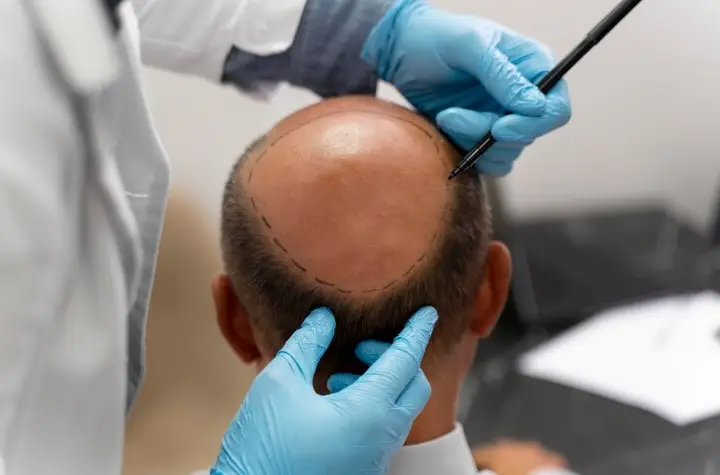
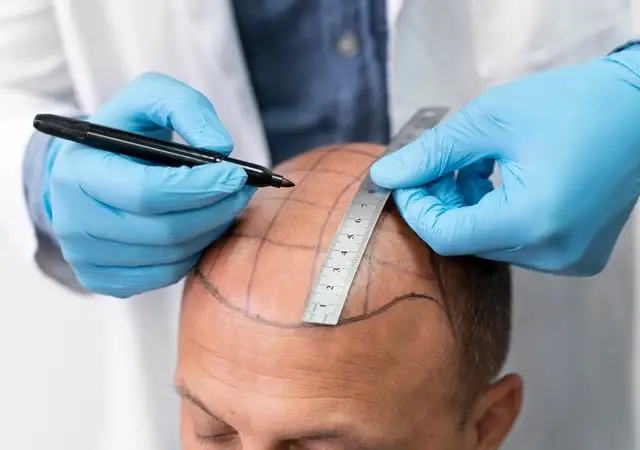
A hair transplant is a micro-surgical cosmetic procedure performed by a trained dermato-surgeon or cosmetic surgeon. Healthy hair follicles are taken from the back or sides of the scalp (the donor area) and placed in areas where hair has thinned or been lost (the recipient area). Because donor hair is naturally resistant to hair-loss hormones, transplanted hair usually keeps growing for life, and the result looks natural when the hairline is designed well.

Benefits of Hair Transplant

Benefits of a hair transplant

Getting a hair transplant in Greater Kailash at Delhi Wellness Clinics has many benefits, including:

  • Permanent, natural hair restoration
  • Boost in self-esteem and confidence
  • Minimal pain
  • Minimal downtime
  • Little to no scarring
  • Short recovery
  • Low or negligible maintenance
  • Cost-effective
  • Low risks of serious side effects and complications
  • Long-term relief from the use of hair growth-promoting medications.

What are the different hair transplant techniques?

There are three methods of hair transplant, briefed below:

  • Traditional Follicular Unit Transplantation in Delhi (FUT)- Also known by the name FUSS (Follicular Unit Strip Surgery), this technique involves making a tiny, linear cut on the back of the scalp to take out a strip of hair-bearing skin and then closing the incision with suture. This strip is dissected under the microscope to separate the hair follicles for further transplant. These hair follicles are implanted one by one into the recipient area having pre-made microscopic channels using a sharp surgical instrument. It is less costly than other methods and is recommended for patients with large recipient areas.
  • Advanced Follicular Unit Extraction in Delhi (FUE)- For the last few decades, this technique has been mostly used as it is a suture-less method associated with shorter recovery. This hair transplant technique involves direct extraction of donor hair follicles using a micro punch tool and then later implanting the follicles as done in the case of FUT hair transplant.
  • Direct Hair Implantation in Delhi - It is the advanced version of FUE as both the extraction and implantation of the hair follicles are done directly. The procedure involves the use of a micro-punch device to get donor hair grafts and a special implanter tool to transplant the grafts. This method is the best for beard, moustache, and eyebrow transplantation but is costlier among all.

Hair Transplant - Technique Comparison

Each technique suits different hair loss stages, budgets, and lifestyle needs.

Technique Best for Advantages Things to know
FUT Large graft requirements on a limited budget Lower cost, higher graft yield Linear scar in the donor area, stitches, longer healing
FUE Most patients Minimally invasive, no linear scar, faster recovery Donor area needs shaving (or partial shaving)
DHI Maximum density and hairline design Precise implantation, natural-looking results, higher density Usually the highest cost; graft numbers per session may be limited

Who can get a hair transplant?

Different factors decide whether or not an individual is a suitable candidate for hair transplant surgery. These include:

  • The extent of hair loss or the amount of healthy hair available for donation
  • Age of the patient
  • Whether further hair loss is possible after getting a hair transplant
  • The patient’s desired results- whether the expectations from the surgery outcome are real
  • Whether taking any hair loss prevention medications.

If you want to confirm your candidate for receiving a hair transplant, reach out to a hair transplant surgeon in Delhi today.

How Many Grafts Will I Need?

The number depends on the size of the area and the density you want. These are general ranges only, and your surgeon will give you an exact estimate after examining your scalp.

Hair loss stage (Norwood scale) Typical graft range
Grade 2–3 (receding temples / early hairline recession) 1,000–2,000 grafts
Grade 4 (hairline and crown thinning) 2,000–3,000 grafts
Grade 5–6 (larger bald areas) 3,000–4,500+ grafts, sometimes in more than one session

Note:

These ranges require confirmation by the clinic's surgeon. Actual graft requirements vary between patients, and advanced hair loss may require staged treatment depending on donor hair availability and coverage goals.

Hair Transplant Procedure: What Happens on the Day?

A hair transplant is usually performed under local anaesthesia, allowing patients to remain awake during the procedure. The exact steps depend on the technique used, such as Follicular Unit Extraction (FUE) or Follicular Unit Transplantation (FUT), the number of grafts required, and the surgeon’s treatment plan.

  • Planning and hairline design: Your surgeon assesses the treatment area and designs a hairline based on your facial proportions, existing hair and expected future hair loss.
  • Local anaesthesia: The donor and recipient areas are numbed to minimise discomfort during the procedure.
  • Graft extraction: Hair follicles are harvested from the donor area using follicular unit extraction (FUE) or follicular unit transplantation (FUT).
  • Graft placement: The prepared grafts are placed into the recipient area using appropriately created sites or an implanter pen, depending on the surgical technique.
  • Aftercare instructions: You receive instructions on scalp care, washing, prescribed medicines, activity restrictions and follow-up appointments.

A hair transplant commonly takes around 4–8 hours, although the duration depends on the number of grafts, the technique used and the complexity of the procedure. Larger sessions may take longer or require more than one session.

What pre-treatment guidelines need to be followed before a hair transplant?

Before getting a hair transplant, the patient is asked to:

  • Avoid intake of blood thinners like aspirin and even alcohol as these may increase bleeding and cause surgical complications

  • Avoid consumption of spicy foods.
  • Avoid smoking or use of any nicotine-containing products a week before the surgery, to avoid delaying healing.

What aftercare instructions are provided for hair transplants?

Following a hair transplantation, the patient will have to:

  • Avoid washing your head for a week. Later, avoid rubbing wet hair with a towel and use a hair dryer to dry hair after a gentle wash
  • Avoid smoking
  • Avoid swimming
  • Avoid high-impact exercises
  • Limit or avoid alcohol consumption
  • Practise gentle hair and scalp care
  • Keep the sensitive scalp and hair protected from the sun’s UV light.

For more details get in touch with hair transplant doctors at Delhi Wellness Clinics, which is a leading hair transplant clinic in Greater Kailash, Delhi.

Hair Transplant Recovery and Results Timeline

Hair transplant recovery happens gradually, with visible results developing over several months. The timeline varies depending on the number of grafts, the technique used, and individual healing.

Time after surgery What to expect
Days 1–7 Redness, mild swelling and scabbing in treated areas
Weeks 2–4 Scabs shed, and transplanted hairs may temporarily fall out.
Months 3–4 New hair starts to grow
Months 6–8 Visible growth and thickening
Months 12–18 Final results become clear

Recovery tip:

Follow your surgeon’s instructions for scalp washing, sleeping, activity restrictions, and graft protection. Contact clinic if you experience increasing pain, spreading redness, fever, or unusual discharge.

Hair Transplant Cost in Delhi

Hair Transplant Cost in Delhi ranges from ₹ 30,000 to ₹ 3,00,000

The price of a hair transplant varies, depending on many factors like the surgeon’s expertise and experience; the location and reputation of the clinic chosen; the hair transplantation method; and the number of grafts required or the severity of the hair loss. The estimated price for your hair transplant can be determined by consulting with the best hair transplant doctor in Delhi at Delhi Wellness Clinics.

Hair Transplant Cost by Number of Grafts

Compare FUT, FUE, and DHI costs across graft counts to find what fits your hair loss stage and budget.

No. of grafts FUT cost FUE cost DHI cost
Per graft ₹ 30 – ₹ 50 ₹ 40 – ₹ 60 ₹ 60 – ₹ 100
1,000 grafts ₹ 30,000 – ₹ 50,000 ₹ 40,000 – ₹ 60,000 ₹ 60,000 – ₹ 1,00,000
1,500 grafts ₹ 45,000 – ₹ 75,000 ₹ 60,000 – ₹ 90,000 ₹ 90,000 – ₹ 1,50,000
2,000 grafts ₹ 60,000 – ₹ 1,00,000 ₹ 80,000 – ₹ 1,20,000 ₹ 1,20,000 – ₹ 2,00,000
2,500 grafts ₹ 75,000 – ₹ 1,25,000 ₹ 1,00,000 – ₹ 1,50,000 ₹ 1,50,000 – ₹ 2,50,000
3,000 grafts ₹ 90,000 – ₹1,50,000 ₹ 1,20,000 – ₹ 1,80,000 ₹ 1,80,000 – ₹ 3,00,000

Note: Hair transplant costs vary based on the extent of hair loss, number of grafts required, surgeon expertise, clinic infrastructure, and additional treatments. A consultation is recommended for an accurate cost estimate.

Factors Affecting Hair Transplant Cost in Delhi

Multiple factors determine your final hair transplant cost. Understanding them helps you plan your treatment with clarity.

Factor How it affects cost
Hair transplant technique Advanced techniques such as DHI generally cost more than FUE and FUT
Number of grafts required Higher graft requirements increase the overall treatment cost
Extent of hair loss Advanced hair loss typically requires more grafts and longer procedures
Surgeon's expertise Experienced hair transplant surgeons may charge higher fees
Technology used Advanced extraction and implantation technologies can increase costs
Treatment area Larger areas such as full scalp restoration require more grafts and resources
Donor hair availability Limited donor hair may require more complex treatment planning
Additional treatments PRP therapy, medications, and supportive treatments can add to the overall cost
Post-procedure care Follow-up visits, medications, and aftercare support may influence pricing
Clinic location and reputation Established clinics in metropolitan cities often have higher treatment costs
Customised treatment plan Individualised plans based on hair loss patterns and goals may affect pricing

Success Rate of a Hair Transplant

The survival rate of transplanted hair grafts ranges between 90 and 95%. The success rate of a hair transplant is analysed as per the satisfaction level of the patient. Typically, hair transplants are more successful than over-the-counter hair restoration products. Some factors that impact the success of a hair transplant include not following aftercare instructions, the hair thickness, the surgeon’s skill and experience, the body’s response to the transplant, stress, smoking, and poor diet.

Why choose Delhi Wellness Clinics as the best hair transplant clinic in Delhi?

At Delhi Wellness Clinics, we combine advanced hair restoration techniques with personalised care to deliver natural-looking and long-lasting results. Our commitment to quality, safety, and patient satisfaction makes us a trusted destination for hair transplants in Delhi.

Why choose us

Feature Details
Advanced Techniques FUT, FUE, and DHI performed using the latest technology and equipment
Personalised Care Customised treatment plans tailored to each patient's needs
Quality & Safety Strict safety protocols and experienced hair transplant surgeons
Patient Satisfaction Trusted by 1,000+ patients across Delhi

Hair Transplant Results Achievement Till Now: Our results

Achievement Statistics
Successful Procedures 1,000+
Graft Survival Rate 90% – 95%
Starting Price ₹ 30,000
Follow-Up Support 18 months

FAQs About Hair Transplant in Delhi

The transplanted hair starts taking a natural appearance in about 6 months after hair transplant surgery and then grows for the rest of the life of an individual. That’s because the hair follicles that are transplanted are from the areas that are resistant to hair fall/loss.

Hair transplant surgeons in Delhi typically recommend hair transplants to people who are aged above 25-27 years because by this age, hair loss sufferers have a stable hair loss pattern.

A hair transplant is generally one of the safest cosmetic surgeries to restore natural hair growth if performed by a skilled and experienced hair transplant surgeon on a suitable candidate. However, just as with any other surgery, hair transplant also comes with certain side effects and risks like bruising, swelling, bleeding, anaesthesia-related reactions, infection, scars, and folliculitis.

Since hair transplant surgery is done on a numb scalp of the patient, the patient feels no pain or discomfort until the anaesthesia effect is there. Slight pain and discomfort can be felt temporarily post hair transplant which can be managed with painkillers prescribed by the surgeon.

It's safe to get a haircut when your transplanted hair follicles have become firmly established and your donor and recipient areas have completely healed. The timeline of recovery is patient-specific. Usually, the patient may have to wait for a month after a hair transplant to get a haircut.

The overall procedure of hair transplant can last for 4 hours or longer. The longevity of the procedure varies, depending on the patient's needs and circumstances.

Most of the hair on the body can’t be used for hair transplantation. However, if sufficient donor hair is not there on the patient’s head, the surgeon may take hair from the chest. beard, or arm site.

Consult a hair transplant surgeon in Delhi at Delhi Wellness Clinics for a thorough assessment, if concerned about having insufficient donor hair. 

Hair Transplant Cost in Delhi ranges from Rs. 30,000 to Rs. 3,00,000 or more, depending on the technique used, the number of grafts required, and the extent of hair loss.

Possible risks include temporary swelling, redness, bleeding, infection, scarring, shock loss, or uneven hair growth. Most side effects are mild and resolve during the healing process.

Grade 3 hair loss is the first stage of noticeable male pattern baldness on the Norwood Scale. It is characterized by significant recession at the temples, creating an M, U, or V-shaped hairline. At this stage, hair loss becomes clinically visible and may benefit from early treatment.

Make an Appointment
Uttar Pradesh
D-82A, D-Block, Sector 26, Noida, Uttar Pradesh 201301
+91-8860950936
Mobile Icon+91 9266212367