Hyperpigmentation: Causes, Prevention & Treatment Guide
Hyperpigmentation, characterized by dark spots or patches on the skin and an uneven complexion, affects most people worldwide. Though it may appear to be a surface-level concern, it reflects the profound effects of sun exposure, hormonal shifts, inflammation, and environmental stress on the skin.
From persistent post-inflammatory acne marks to hormone-driven melasma, hyperpigmentation concern varies in cause and severity. If you are not well-versed in hyperpigmentation, you won’t be able to address it safely and effectively. This guide throws light on the science behind hyperpigmentation and its triggering factors. It even shares evidence-based strategies and best hyperpigmentation treatments in Delhi, which can effectively help restore skin clarity in people with pigmented skin.
What Is Hyperpigmentation?
Hyperpigmentation is one of the two skin pigmentation problems characterised by localised or widespread darkening of the skin in spots or patches. Such uneven skin coloration is due to abnormal melanin production, the coloured pigment produced by melanocytes, specialised cells of the skin. Unhealthy or damaged melanocytes are responsible for clumping of excess melanin pigments and hyperpigmentation.
Common Causes of Hyperpigmentation
Hyperpigmentation causes are multiple, including:
- Prolonged or repeated sun/UV exposure- As the skin naturally protects itself from the sun’s UV damage, it stimulates the melanocytes and causes uneven distribution of eumelanin, a colored pigment.
- Hormonal fluctuations- Changes in levels of progesterone and estrogen hormones during adolescence or pregnancy, or by hormonal therapy, activate melanocyte-stimulating hormone to cause melanin overproduction. The sun’s UV exposure makes the concern more prominent.
- Skin traumas and inflammation- Acne breakouts, burns, cuts, picking at the skin, eczema, or psoriasis can impair normal skin functioning. There is an inflammatory response that signals melanocyte activation and transfer. This results in post-inflammatory hyperpigmentation of the epidermis and dermis.
- Aging- Dark spots are most commonly found on aging skin due to uneven melanin distribution caused by enlarged and clustered melanocytes. Such hyperpigmentation is often linked with UV damage and cellular senescence. But it can also result from lipofuscin buildup, hormonal shifts, and delayed skin repair.
- Genetics- Alterations in genes that regulate melanin production and distribution can increase susceptibility to hyperpigmentation concerns. Pigmentation concerns can run in blood relations.
- Certain medications- Some antibiotics, antimalarial drugs, birth control pills, and drugs that increase sensitivity to UV can stimulate melanin overproduction.
- Some medical conditions- These include Addison’s disease and thyroid disorders that cause hormonal imbalances and diabetes, which causes insulin hypersensitivity, hormonal shifts, and chronic inflammation- all triggering melanin production.
Different Types of Hyperpigmentation
Most common types of hyperpigmentation problems include:
- Melasma- Its signs include symmetrical, larger, brown or grey patches. These are often spotted on the sun-exposed areas of the face- the nose, cheeks, forehead, and upper lip- of pregnant women.
- Post-inflammatory hyperpigmentation- It’s the irregular dark spots or patches that develop anywhere on traumatised skin.
- Solar lentigines (Sun spots/Age spots/liver spots)- They show up on sun-exposed areas as flat, well-defined brown spots.
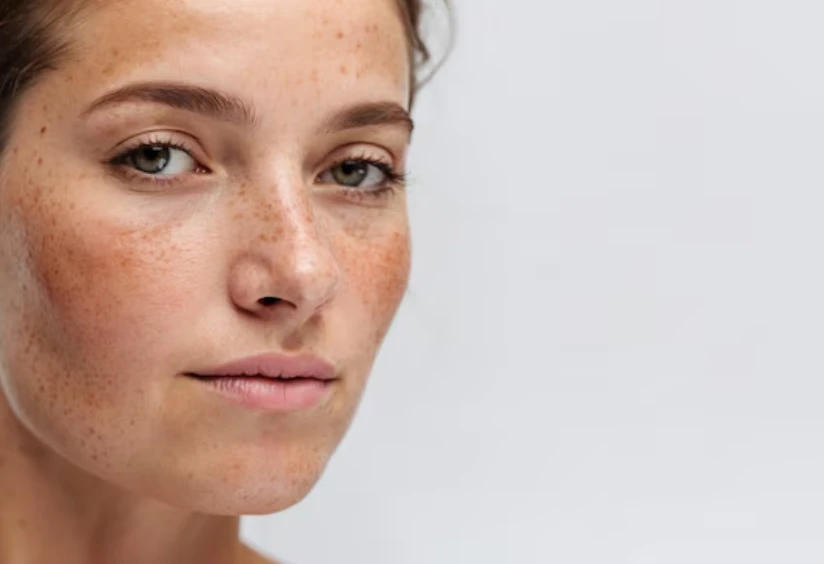
- Ephelides/Freckles- They are temporary, tiny, light-brown, genetically-influenced spots on the sun-exposed areas that become prominent in summers due to over-sun exposure and fade during winters due to limited UV exposure.
How to Prevent Hyperpigmentation?
Hyperpigmentation prevention is not certain. But some dermatologist-recommended strategies do work in protecting skin against hyperpigmentation. These include:
- Sun protection- Keeping skin shielded from the UV rays of the sun is an everyday essential, irrespective of the weather. Thus, it is recommended to wear a broad-spectrum sunscreen with SPF 30 or higher, or to use physical blockers (zinc oxide or titanium dioxide) on uncovered areas before going outdoors during the day.
- Skincare habits: Incorporating skin-brightening, barrier-protecting, hydrating, and renewal ingredients is another crucial step to avoid hyperpigmentation. A gentle chemical exfoliation twice a week can help maintain an even complexion. Harsh scrubs or strong exfoliants must be avoided as they can cause inflammation.
- Lifestyle changes: Switching to a diet rich in antioxidants can help protect the skin from environmental stressors. Overall, maintaining a healthy, stress-free routine helps keep skin healthy, clear, smooth, and even-toned.
- Early intervention- Timely, best treatment of injuries/trauma to the skin can help manage inflammation and avoid post-inflammatory hyperpigmentation. So, it promptly and effectively treats underlying medical conditions.
Professional Treatments for Hyperpigmentation
Most individuals with stubborn dark spots/patches sought-after dermatological procedures.Choosing the right facial for pigmentation and hyperpigmentation depends on the skin type, severity of discoloration, and individual treatment goals. Here are the safest and effective hyperpigmentation treatment options, any of which could be in your treatment plan:
- Chemical peels- Exfoliating acids in mild to strong strengths are available. These penetrate up to a certain depth of the skin, which is pigmented, to peel it away and reveal a fresh, clear, evenly toned skin from underneath.
- Laser therapy- Ablative and non-ablative lasers are available to resurface and tone the skin. Most often, laser toning is recommended with a Q-switched Nd: YAG laser to thermally break down excess melanin pigment, which the immune cells naturally eliminate from the system.
- Microneedling with serum- Microneedling creates micro-punctures in the skin. These micro-punctures act as micro-channels, enabling better absorption and optimal performance of skincare products like skin-brightening serums. Also, these stimulate fibroblasts and boost cell turnover, making the skin healthier and more youthful.
Home Care vs Clinical Treatments: What Works Best?
Clinical treatments provide quicker, more dramatic improvements in skin tone, texture/quality than following only at-home care. Consistency in home care works to prevent hyperpigmentation and maintain the results of clinical treatments.
According to dermatologists, the best approach is a combination of treatments to achieve a sustained, healthy, youthful complexion. Also, set realistic expectations for the treatment and opt for clinical treatments that prioritize safety and effectiveness.
When to Consult a Dermatologist?
Seeing a dermatologist is highly recommended if:
- Have persistent pigmentation irregularity
- Want a personalised treatment plan for a specific hyperpigmentation concern and skin type.
- Need to quickly, safely, and effectively target deep-seated pigmentation
- Experiencing warning signs like extreme redness, hot to the touch, pain, itching, and unusual leakages from affected skin
- Need professional skincare guidance on maintaining the skin’s natural tone and health.
Are you conscious of your uneven complexion? Delhi Wellness Clinic’s dermatologist welcomes you for a personalised, professional hyperpigmentation treatment. Get the right care from the right skincare expert at Delhi Wellness Clinic today. Book your first appointment to achieve a healthy skin tone with the best pigmentation treatment in Delhi, offered by experts.


 +91 9266212367