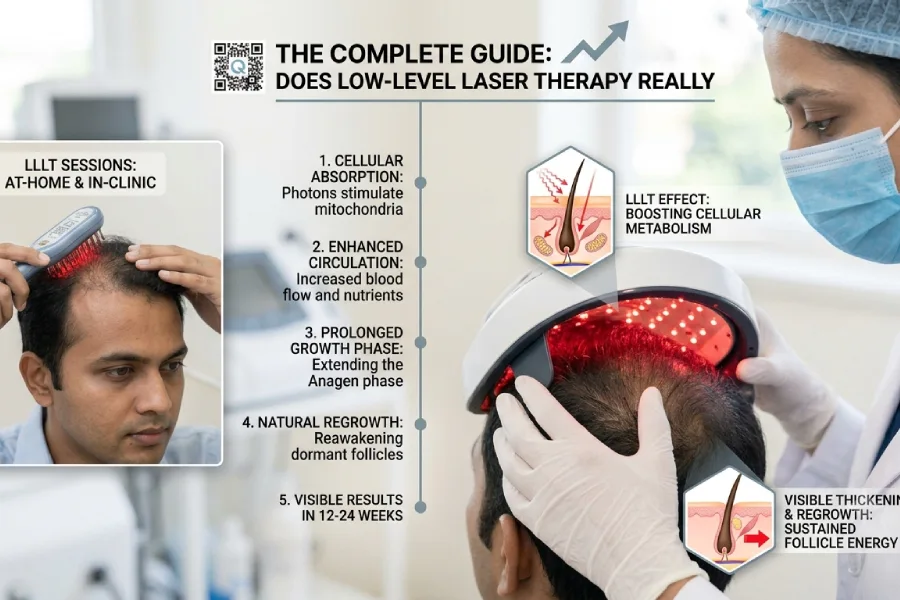
Does Low-Level Laser Therapy Really Regrow Hair? The Truth Revealed


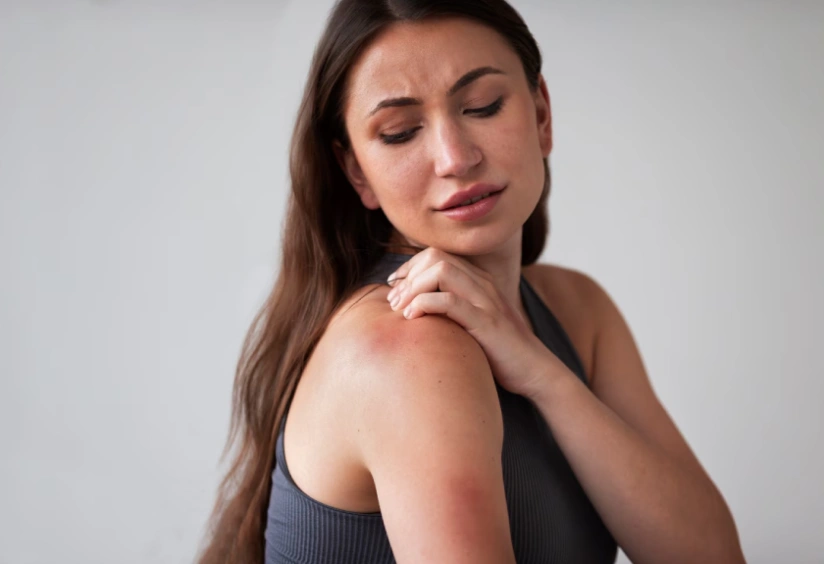
Skin, being the most exposed, is more likely to become infected, diseased, injured, or to show an allergic response when its barrier is weakened or impaired. A stubborn, ugly-looking rash or life-changing, unusual changes to the skin texture, tone, and quality can be unsettling for anyone, especially when the cause is unclear. Most skin diseases have overlapping primary symptoms, which can make treatment confusing.
In this blog, some common types of skin diseases are discussed in detail, including their causes, symptoms, and treatment, as explained by a skin doctor in Delhi at Delhi Wellness Clinics. Recognising common skin diseases and understanding their causes will help determine when to seek dermatological care.
Skin diseases comprise all minor to severe conditions that affect the skin’s form, function, or appearance. The conditions may be microbial infections, allergic reactions, autoimmune conditions, chronic inflammation, or genetic problems. They can be localised or widespread and may worsen with certain triggers. Some are contagious, while some are a sign of a health issue or poor lifestyle.
Here are the common skin diseases that affect people along with causes, symptoms, symptoms and treatment options:
| Skin Disease | Type | Causes/Triggers | Symptoms | Treatment Options |
| Atopic Dermatitis/Eczema | Chronic, inflammatory skin condition | Allergens, irritants, genetics, or immune problems | Dry, rough, or scaly, inflamed skin patches; redness, itching, crusting/oozing, or skin thickening. | Use of suitable moisturiser, antihistamines, steroids, or phototherapy |
| Contact Dermatitis | Acute or chronic inflammatory skin condition | Sudden exposure to a strong allergen or irritant, or prolonged, frequent exposure to irritants/allergens | Inflammation, redness, dryness/cracking, blistering, scaly skin, itching, or skin thickening | Cool compress, oatmeal bath, antihistamines, corticosteroid, topical calcineurin inhibitor, or phototherapy |
| Psoriasis | Chronic, autoimmune or inflammatory skin condition | Rapid increase in skin cell turnover due to immune system dysfunction, genetics, stress, injury, or certain medications | Skin plaques (thick, silvery, red patches), itching, and discomfort; sometimes nail discolouration/thickening | Topical steroids, Vitamin D analogues, retinoids, coal tar/salicylic acids; Phototherapy; Oral drugs or Biologics |
| Skin Infections |
1. Fungal infection (like ringworm, candidiasis, and athlete’s foot) 2. Bacterial infection (like cellulitis, impetigo, and boils) 3. Parasitic infection (like scabies) 4. Viral infection (like shingles, warts, or herpes) |
1. Fungi thrive in warm, moist areas 2. Bacteria enter through wounds or hair follicles. 3. The burrowing of skin by tiny worms or insects 4. Often HPV or Herpes virus |
1. Itchy, red, scaling, or peeling skin. 2. Red, inflamed, hot skin; sores; crusting; or pus-filled infection. 3. Intense itchy rash 4. Small, rough skin growths; cold sores; or genital herpes |
1. Antifungals and good hygiene practice. 2. Antibiotics and proper wound/skin care. 3. Prescription creams and hygiene practice. 4. Cryotherapy, acids, laser treatment, or others. |
| Hives/Urticaria | Acute, chronic, or inducible allergic or inflammatory skin condition | Allergen exposure, stress, infection, certain medications, or a change in pressure/temperature. | Pale or red, raised welts; intense itching; sometimes swelling in nearby areas; and frequent lesions. | Avoiding triggers and antihistamines. |
| Rosacea | Chronic, inflammatory skin condition that has a pattern of flare-ups and remissions. | Sun exposure, stress, spicy foods, alcohol, and prolonged inflammation. | Erythema (redness), telangiectasia (prominent blood vessels), burning sensation, and sometimes pustule-like spots. | Avoiding triggers; topical and oral medications for redness and bumps relief; and laser treatment. |
| Vitiligo | Skin pigmentation disorder- Hypopigmentation/depigmentation |
Loss of melanocytes due to autoimmunity | White or depigmented patches of skin | Topical calcineurin inhibitor/corticosteroids and phototherapy or excimer laser |
| Melasma | Skin pigmentation disorder- hyperpigmentation | Excess melanin pigment deposits in sun-exposed areas due to hormonal fluctuation | Dark browngrey patches, especially cheeks, forehead, upper lip Sun exposure worsen pigmentation Symmetrical patches |
Triple combination cream (hydroquinone, mild corticosteroid, and tretinoin); tranexamic acid, azelaic acid and kojic acid, Vitamin C and niacinamide, laser toning, chemical peel, or microdermabrasion |
| Skin Cancer | Melanoma and non-melanoma | UV exposure, old scar, or genetics | Waxy or pearly bump; flat, scaly lesion; red, firm nodule; change of moles, or delayed healing of wounds | Chemotherapy, immunotherapy, or surgery |
| Cutaneous Lupus Erythematosus | Chronic, autoimmune condition | Immune system dysfunction that is triggered by UV exposure, smoking, stress, infection, or hormonal or genetic factors. | Photosensitivity, malar and discoid rash, and scaling | Corticosteroids and immunosuppressants |
For skin diseases treatment in Delhi a dermatologist's help is recommended. The treatment is decided as per the specific skin disease, its underlying cause, signs, and severity.
Some skin diseases are treatable with prescription topicals, while others require systemic or in-office procedural treatments. Only a dermatologist can choose the right treatment after accurately identifying the disease. In most cases, a combination approach is generally recommended.
The symptoms of chronic skin diseases can be kept under control, and general skin health can be maintained with:
If you are experiencing unusual changes in your skin or ongoing skin concerns, consultation with a dermatologist at Delhi Wellness Clinic may help in the evaluation and treatment of skin infections in Delhi. To discuss your symptoms, understand your skin condition, and receive the most effective, affordable treatment plan.
Consider having your skin condition evaluated by a dermatologist if it persists, recurs, or progresses despite basic skincare and over-the-counter or natural remedies.
Some skin diseases can be a symptom of a medical condition, such as an autoimmune disease, hormonal condition, infection, allergy, metabolic disorder, or inflammatory condition.
Some minor skin problems can be short-lived and resolve on their own. However, most skin diseases, if left untreated, can lead to complications and be more challenging to treat.
Generally, the use of makeup or any cosmetics on compromised skin can lead to skin congestion, infection, inflammation, and delayed healing, so it must be avoided. For sensitive skin, a non-scented, non-comedogenic, and hypoallergenic product is usually safe.
Yearly, go for a comprehensive skin examination or more often, if having a history of specific skin concerns.
 +91 9266212367