QR678 Treatment for Hair Loss: Benefits, Procedure, and Results


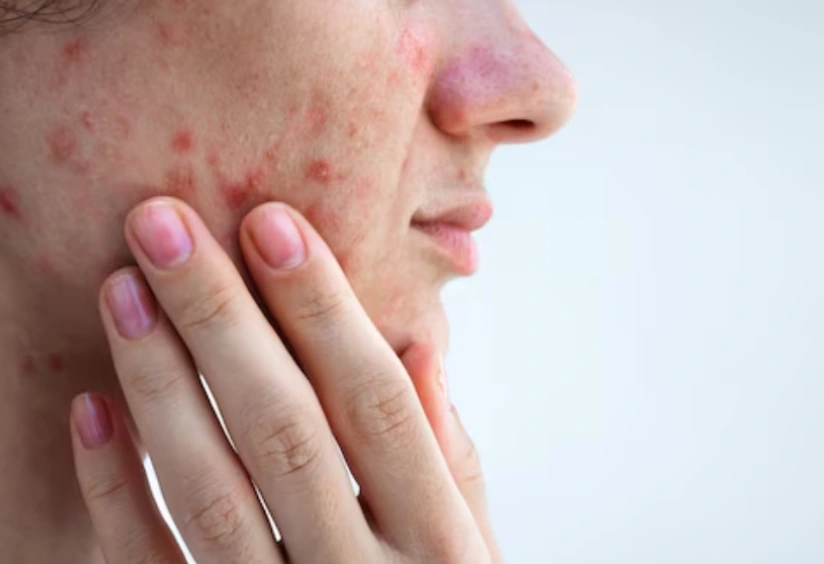
Hormonal disturbances can affect our bodies in many ways, including breakouts. Those red, inflamed, painful lesions on the skin can embarrass you immediately. They could be due to your high insulin/cortisol levels, unhealthy diet, puberty, menses, menopause, pregnancy, inactive lifestyle, some pill intake, or poor skincare.
Whatever the cause, no need to worry, hormonal acne can be controlled and even avoided to some extent. In this blog, an acne treatment doctor in Delhi from Delhi Wellness Clinic will discuss everything you need to know about hormonal acne, including its causes, signs, diagnosis, treatment, and preventive or complementary care.
Hormonal acne, also known as adult acne, is a type of acne caused by excess natural oils on the skin, influenced by hormonal changes. It can affect both men and women, but mostly it develops in women who are going through menses, pregnancy, or menopause, and those who are on hormonal medications or suffering from PCOS or other ovarian/metabolic conditions.
Acne or breakouts, in general, are the result of clogging of pores with impurities, extra sebum (natural skin oil), dead skin cells, and sometimes bacteria. Hormonal acne develops when excess sebum produced by hormonal fluctuations clogs pores. The triggers could be excessive stress, high humidity, disturbed sleep, use of comedogenic or oil-based skin and haircare products/cosmetics, improper skincare, and an unhealthy diet and lifestyle.
Here’s how hormonal acne will manifest:
These signs can help dermatologists identify the type of acne during physical examination and confirm the diagnosis after discussing skin and hair products/cosmetics in use, sleep habits, stress, prescription medications, and any health changes related to hormonal changes.
Hormonal acne is effectively treated with a dermatologist-recommended, multimodal approach tailored to the specific type.
For anyone suffering from hormonal acne, the treatment is incomplete without complementary care. The best treatment outcomes are achieved only with proper skincare and lifestyle.
Follow these skincare, diet, and lifestyle-related recommendations to avoid recurrence or worsening of hormonal acne:
Hormonal acne is a common occurrence due to today’s fast-paced, stressful, sedentary lifestyle. It is mostly seen in adulthood, amongst women, due to hormonal changes or issues. Though there are many over-the-counter acne remedies, none can provide the relief that a dermatologist's prescription can.
One can meet acne treatment doctors in Delhi at Delhi Wellness Clinic. They provide a tailored treatment plan to control hormonal acne breakouts. If your acne is persistent and has a hormonal cause, seek a prescription, an advanced solution, and even skincare routine recommendations from experts at Delhi Wellness Clinic.
Schedule a consultation to learn more about treatment options and to achieve clearer, healthier skin free from acne.
Also the cost of acne treatment in Delhi starts from INR 1,500 and can vary from treatment to treatment. Visit for details.
If red, tender breakouts develop on the U-zone of the face (lower cheeks, jawline, and chin), frequently in adulthood, and over-the-counter remedies are not helping, it's hormonal acne. Such acne is often identified in menses, pregnancy, menopause, or the PCOS condition.
Hormonal acne presents as deep, inflamed, painful cysts or nodules. It develops on the lower half of the face due to excess sebum production triggered by hormonal imbalance. Fungal acne presents as itchy, uniform, tiny bumps due to overgrowth of Malassezia yeast on sweaty areas such as the forehead, scalp, back, and chest.
Hormonal acne is not a gender-biased skin concern. It is just a result of excess sebum triggered by hormonal imbalance, which can happen with men too, probably due to hormonal therapy.
Hormonal acne results from hormonal fluctuations. As its cause is internal, no one can escape its occurrence. The condition is manageable or controllable with a proper skincare routine and healthy lifestyle habits.
Consult with a dermatologist for comprehensive guidance on skincare and prescription professional treatment. With a combination of the right skincare, physical treatments, and a healthy lifestyle, hormonal acne can be cleared away.
If acne is deep and first-line treatments are resistant, seek a customised, best-suited treatment plan from a certified dermatologist. If treatment is neglected, there will be potential scarring and issues with self-esteem and confidence.
 +91 9266212367