Menu Bar
How Do You Treat Scarring Alopecia?
  • Written by: Delhi Wellness Clinics Team
  • Published: 12 Nov 2026
  • Medically Reviewed by: Dr. Vandana Malik
  • Last Reviewed: 12 Nov 2026

How Do You Treat Scarring Alopecia?

If you're experiencing patchy hair loss, redness, scaling, tenderness, or persistent scalp discomfort, you should consult a dermatologist. As this can be a sign of scarring alopecia.  The right specialist can identify the underlying cause, recommend a suitable treatment plan, and protect still-active hair follicles. This article explores more about scarring alopecia treatment options and explains when to consult a hair doctor in Delhi for alopecia treatment.

What is Scarring Alopecia?

Scarring alopecia, medically referred to as cicatricial alopecia, is a hair loss condition resulting from inflammation-induced destruction of the hair follicles. It is a gradually developing, rare hair loss concern in which the hair follicle openings become closed by fibrous scar tissue, so that further hair can’t naturally regenerate. It's commonly noticed on the scalp, but it can also occur on other hairy body sites.

Possible causes and triggers include:

  • Autoimmune disorders
  • Some inflammatory skin conditions
  • Persistent scalp inflammation
  • Bacterial infections
  • Physical trauma, injury, or burns
  • Heredity (can also be a major reason).

How to Identify Scarring Alopecia?

Scarring alopecia can manifest in various forms, each with its own appearance and requiring a specific treatment approach. Common types include lichen planopilaris, frontal fibrosing alopecia, central centrifugal cicatricial alopecia, discoid lupus erythematosus, and folliculitis decalvans.

Here are the typical, common signs:

  • Smooth and shiny permanent bald patches
  • Redness and inflammation around the bulge of hair follicles
  • Itching or burning sensation
  • Scaling or crusting
  • Pain or tenderness.

In some cases of scarring alopecia, loss of beard, eyebrow, or body hair, and the appearance of pus-filled bumps are even reported.

An early, accurate diagnosis of scarring alopecia is essential so that the definite cause is identified and precisely addressed before the maximum number of active hair follicles is lost.

For diagnosis, a dermatologist recommends:

  1. A thorough clinical examination of the affected area- to see for signs of scarred tissue, inflammation, redness, scaling, and follicular openings
  2. Dermoscopy- to identify the pattern of hair loss
  3. Scalp biopsy- to identify the specific type of scarring alopecia
  4. Blood tests- to check for autoimmune disorder or other potential underlying illness.

How is Scarring Alopecia Treated?

Dermatologists suggest treatment for scarring alopecia based on the diagnosed type.

Generally, treatments aim to reduce inflammation and prevent further damage to hair follicles rather than repair the existing scarred tissue.

Here are the usual recommended treatments:

  1. Anti-inflammatory medications- Topical corticosteroid, oral corticosteroid, steroid scalp injections, or calcin-eurin inhibitors are prescribed for reducing immune activity that causes inflammation and delaying the progression of hair follicle destruction.
  2. Immuno-modulating medications- For scarring alopecia caused by an autoimmune disorder, a dermatologist prescribes medications that regulate the immune response. Based on the patient’s hair loss extent and overall health, oral medications such as hydroxyc-hloroquine, methot-rexate, doxycy-cline, mycop-henolate mof-etil, or cyclosp-orine are generally prescribed.
  3. Antibiotics- In case of bacterial infection causing scarring alopecia, as in folliculitis decalvans, topical or oral antibiotics are prescribed to treat infection and prevent destruction of hair follicles.
  4. Medicated Shampoos- Dermatologists recommend shampoos containing ketoconazole, salicylic acid, or zinc pyrith-ione to calm scalp inflammation, scaling, flaking, and microbial overgrowth associated with conditions like seborrheic dermatitis and dandruff. 
  5. Plat-elet Rich Pla-sma Therapy- As this therapy involves the use of the patient’s own blood plat-elets derived growth factors, it helps reduce inflammation and support healthier, natural hair growth, when done with a primary treatment.  
  6. Low-Level Laser Therapy- This therapy uses low-intensity red light lasers to increase blood flow and stimulate hair cell regeneration, encouraging healthy hair growth. It is performed only after the inflammation has been controlled.
  7. Hair Transplant- When the inflammatory disease is stable for 1-2 years, a hair transplant with the FUT or FUE approach is recommended for carefully selected patients to restore natural, healthy hair growth in areas with sparse or missing active hair follicles. The procedure involves moving viable hair follicles to the scarred areas.
  8. Scalp Micropigmentation- This is suggested for patients who are unsuitable candidates for a hair transplant. It involves placing ink in a color that matches the existing hair color into the micro-depths of the hair-loss-affected area to create the illusion of fuller hair growth.

When to See a Dermatologist for Scarring Alopecia?

As soon as possible, schedule a consultation with a dermatologist on noticing/experiencing:

  • Patchy hair loss with a smooth, shiny skin appearance
  • Persistent redness
  • Itching or burning sensation
  • Scaling
  • Tenderness
  • Pus or crusting
  • Painful lesions.

Final Thoughts

Scarring alopecia is a serious, rare, permanent hair-loss condition resulting from inflammation that destroys hair follicles. Though destroyed hair follicles can’t be revived, an early, precise diagnosis and best-suited treatment recommended by a dermatologist can help relieve symptoms, stop disease progression, and preserve existing healthy hair follicles.

If you are experiencing typical signs of scarring alopecia, consulting with a dermatologist or alopecia treatment doctor in Delhi at Delhi Wellness Clinics at the earliest can help keep your scalp and hair healthy and fuller.

Consult for details to explore treatment options for managing alopecia and ensure your hair and scalp health with experts.

Visit Our Clinic

Visit our clinic for personalised skin, hair, and aesthetic care. Our experienced team provides professional guidance and treatment options tailored to your needs. Book your consultation today!

Locate Delhi Wellness Clinics 

FAQs on Scarring Alopecia

Can hair regrow in case of scarring alopecia?

Scarring alopecia is a permanent form of hair loss because it destroys hair follicles. To preserve viable hair follicles for hair regrowth, the condition must be diagnosed early and treated appropriately. 

Is there a cure for scarring alopecia?

The treatments available for scarring alopecia usually focus on symptom management to prevent or delay the progression of hair loss. However, some treatments even aim to improve the appearance of bald spots/patches.

Can scarring alopecia be completely avoided?

It’s difficult. But, with early, appropriate treatment, the associated inflammation can be soothed before it causes irreversible damage to hair follicles and subsequent permanent hair loss.

Which is the safest, most effective approach for treating scarring alopecia?

It’s a combination, customized plan that an experienced dermatologist offers during an initial consultation. Usually, offered treatments include anti-inflammatory treatments, systemic medications, antimicrobial agents, supportive hair growth-promoting treatments, and hair transplants.

Can a hair transplant treat scarring alopecia?

Yes, a hair transplant is recommended when scarring alopecia is declared to be stable for at least 1-2 years by a dermatologist.
About the Author
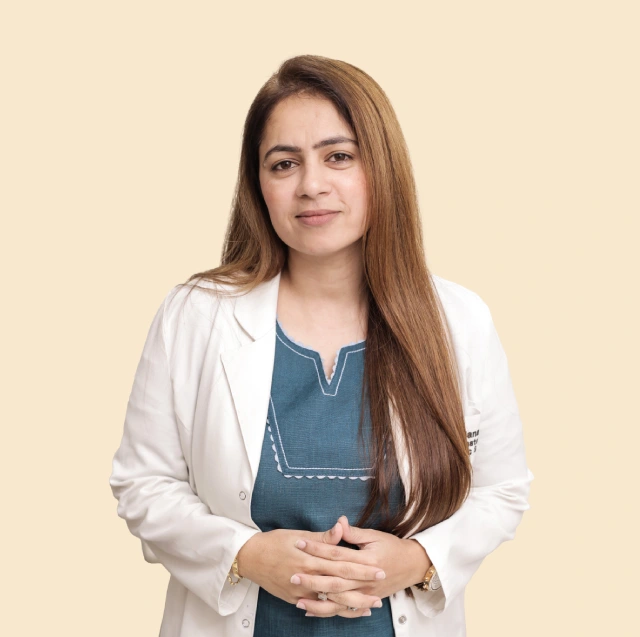
Dr. Vandana Malik
Dr. Vandana Malik - Experienced Dermatologist

MBBS | 10+ Years of Experience | Delhi Wellness Clinics

Dr. Vandana Malik is an experienced dermatologist with expertise in medical and aesthetic dermatology. With over 10 years of experience, she treats a wide range of skin and hair concerns. Her areas of expertise include laser treatments, skin rejuvenation, and dermatological care. She follows an evidence-based approach and helps patients understand their skin concerns and available treatment options.

Make an Appointment
Uttar Pradesh
D-82A, D-Block, Sector 26, Noida, Uttar Pradesh 201301
+91-8860950936
Mobile Icon+91 9266212367