Menu Bar
How to Get Rid of Dark Circles: Causes, Diet & Treatments
  • Written by: Delhi Wellness Clinics Team
  • Published: 19 Nov 2026
  • Medically Reviewed by: Dr. Vandana Malik
  • Last Reviewed: 19 Nov 2026

How to Get Rid of Dark Circles: Causes, Diet & Treatments

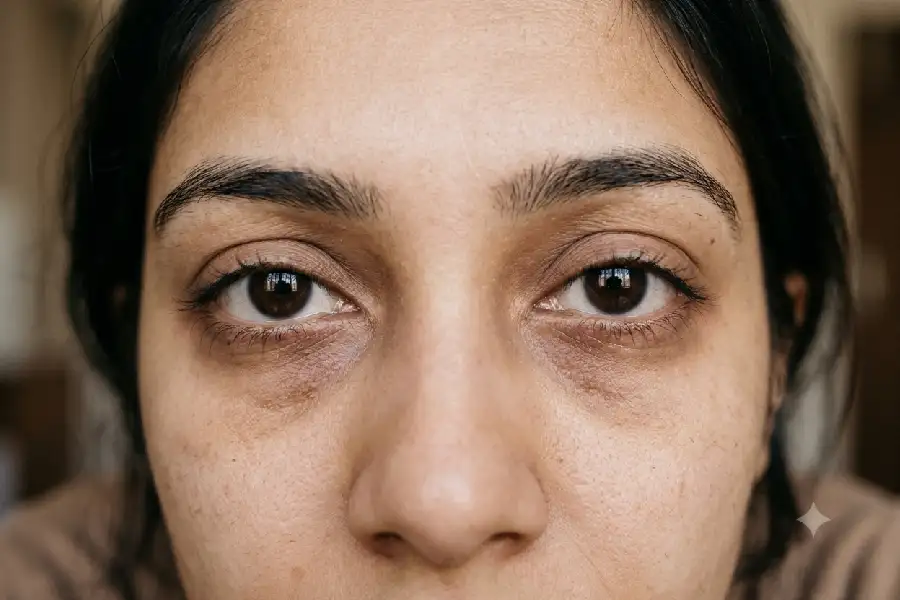
Dark circles under the eyes are a highly prevalent dermatological concern. They can affect overall facial freshness, natural radiance, and a youthful appearance. Although lack of sleep can make dark circles more noticeable, it is not always the main cause. Known contributors include genetics, aging, dehydration, certain allergies, sun exposure, and hyperpigmentation.  

However, it is reassuring to know that dark circles can often be improved with a combination of a suitable skincare routine, wellness practices, and appropriate dermatological under-eye treatments. The best approach depends on the cause of dark circles and their severity.  

So, let’s explore the causes of dark circles, dermatologist-recommended treatment options, dietary changes that may support a healthier complexion, and effective skin care practices. This can help you understand the available options for dark circle treatment in Delhi and achieve refreshed, brighter under-eye skin.

Understanding Dark Circles: Causes and Types

Dark circles, the condition of under-eye darkening, can appear due to several reasons, including:

  • Family history of deep tear troughs and under-eye pigmentation
  • Sleep Deprivation/Fatigue- It can leave the under-eye skin pale and make the underlying blood vessels more visible. It can also lead to under-eye puffiness, which creates under-eye shadows.
  • Aging- With age, the skin of the under-eye area becomes thin. The loss of collagen and subcutaneous fat contributes to under-eye hollows and more noticeable blood vessels that further make the under-eye appear darker than the surrounding skin.
  • Health Conditions- Concerns like eczema can affect the skin around the eyes, allergic rhinitis, and frequent rubbing of the eyes can cause periorbital inflammation and pigmentation.
  • Hyperpigmentation- In dark-skinned people, under-eye skin darkening due to excess melanin deposits is very common.
  • Nutritional deficiency- Low levels of certain essential nutrients like Vitamin B12, C, K, or E, or iron in the body can contribute to the appearance of dark circles in some cases. However, nutritional deficiencies are not the cause of every case of dark circles.
  • Dehydration- Insufficient daily water intake can leave the under-eye skin dull and sunken.

Types of dark circles

There are three types of dark circles:

  • Pigmented- If the under-eye discolouration persists when the skin is gently stretched, it may indicate under-eye pigmentation. It appears as brown or dark patches beneath the eyes and may be influenced by genetics, sun exposure, or rubbing of eyes frequently.
  • Vascular- If, on pinching the skin, purple or blue under-eye skin appears lighter, it’s because of prominent blood vessels through thin/translucent skin. Usually, it worsens with allergies, dehydration, fatigue, or poor blood circulation.
  • Structural- Loss of under-eye fat or collagen and deep tear-troughs creates a shadow effect, an optical illusion in a sunken area, looking like dark circles.

Treatments and Tips to Manage Dark Circles:

Top Dermatologist-Recommended Cosmetic Procedures for Dark Circles

If dark circles are stubborn, depending on the cause and type, dermatologists in Delhi may recommend any of the following treatments. Different treatments target pigmentation, visible blood vessels, or under-eye hollows, so identifying the cause is essential before choosing a procedure:

  1. Chemical peels- They work best for pigmented dark circles by boosting skin cell turnover.
  2. Under-eye fillers- These are hyaluronic-acid-based fillers best for managing under-eye hollows/shadows, causing dark circles. The under-eye area requires an experienced medical professional because fillers can cause swelling, unevenness, and other complications.
  3. Laser treatment- Its thermal energy works best for pigmented or vascular dark circles.
  4. PRP (platelet-rich plasma) therapy- Plat-elet-rich pla-sma contains natural growth factors that can support skin repair and regeneration to manage mild dark circles.
  5. Microneedling with radiofrequency- It can boost collagen remodeling for better quality skin. 

The results and number of sessions vary depending on the cause, severity, and treatment selected. A dermatologist can explain the expected benefits, limitations, risks, and costs before treatment.

Most Effective Skincare Tips to Reduce Dark Circles

The following skincare tips can improve the appearance of some dark circles, particularly those associated with pigmentation, dryness, or puffiness. But one must note that creams cannot help manage deep tear troughs or restore hair-thin skin structures that contribute to structural shadows.

One can naturally reduce dark circles with at-home remedies like cold compresses that work by shrinking blood vessels.

Also, do under-eye massages with targeted under-eye creams that help improve blood circulation and drain the pooled fluids of the under-eye area. 

Here are the ingredients to look for in under-eye cream:

  • Vitamin C- for reducing pigmentation and supporting fresh collagen production
  • Retinol- for collagen boost and better skin thickness
  • Caffeine- for constricting blood vessels and reducing puffy eyes
  • Niacinamide- for skin barrier strengthening and pigmentation reduction
  • Peptides- for supporting dermal remodeling
  • Hyaluronic acid- for immediate plumping and deep hydration of thin, delicate, under-eye skin

Diet Tips that Can Help Reduce Dark Circles

The food we eat daily can contribute to under-eye dark circles if there is a lack of essential nutrients in the diet. 

As a well-nourished diet is essential for healthy, good-quality skin, it’s highly recommended to incorporate the following nutrients into the diet plan:

  • Iron-rich foods like spinach, lentils, chickpeas, lean meat, pumpkin seeds, and eggs (to prevent anemia-associated dark circles)
  • Vitamin C-rich foods like citrus fruits, bell pepper, and broccoli (to encourage collagen production and improve skin health)
  • Vitamin E-rich foods like avocados, peanuts, almonds, and sunflower seeds (to prevent oxidative damage to skin)
  • Vitamin K-rich foods like kale and spinach (to improve blood circulation in the under-eye skin)
  • Omega-3 fatty acids-rich foods like walnuts, flax seeds, salmon, and chia seeds (to support skin hydration and elasticity)
  • Water-rich foods like cucumber, watermelon, citrus fruits, celery, and others (to support healthy skin).

Although no particular food can eliminate dark circles, a balanced diet can help address nutritional deficiencies that may contribute to their appearance.

If you suspect iron or vitamin B12 deficiency, consult a skin professional rather than taking supplements without appropriate assessment.

Lifestyle Modifications that Work on Dark Circles

Healthy lifestyle habits can prevent or noticeably reduce dark circles. So, do follow these tips:

  • Aim for 7-8 hours of well-rested sleep each night
  • Keep body and under-eye skin well-hydrated
  • Have a nutrient-rich diet
  • Do not rub your eyes daily
  • Manage allergies with suitable treatment
  • Limit alcohol intake and avoid smoking
  • Take regular breaks from digital screens
  • Wear sunglasses and sunscreen to prevent under-eye skin darkening from UV exposure.

These habits can support under-eye skin health, but their effectiveness depends on the underlying cause of the dark circles.

When to See a Dermatologist for Dark Circles?

It’s essential to consult a dermatologist for identification of the cause of dark circles and the type, and to receive the best-suited treatment.

Schedule a consultation if:

  • Dark circles are stubborn, not responding to under-eye creams, a healthy lifestyle, and a change of diet
  • Under-eye darkness is worsening with time or spreading
  • Dark circles are lowering confidence and quality of life.
  • The discolouration develops suddenly, particularly if it affects only one eye or is accompanied by pain, swelling, or vision changes. Seek prompt medical assessment in these cases.

Final Thoughts

Dark circles are a common dermatological concern and can be caused because of genetic factors, aging, allergies, nutritional deficiencies, pigmentation, and poor lifestyle habits.

As the root cause varies and dark circles can be vascular, structural, or pigmented, choosing the right treatment based on cause and type is important.

A personalized treatment plan designed by a dermatologist at Delhi Wellness Clinic can help improve the appearance of the under-eye area. The clinic is equipped with advanced technologies, and the team of skin experts provides treatments for dark circles in Delhi, and benefit patients with customized solutions by targeting the root cause and helping them achieve natural-looking, long-lasting results.

Visit Our Clinic 

Visit Delhi Wellness Clinics in Greater Kailash I, New Delhi, for personalised skin, hair and aesthetic treatments.

Locate Delhi Wellness Clinics 

FAQs on Removal of Dark Circles

Is it possible to permanently remove dark circles?

It depends on the underlying cause. Generally, erasing genetics-induced dark circles is challenging. Still, dark circles caused by aging or lifestyle factors can be considerably reduced or even eliminated with an appropriate, dermatologist-created treatment plan.

Are under-eye creams effective for dark circles?

To some extent, mild or superficial dark circles can be corrected with consistent, before-bed use of under-eye creams containing re-tinol, Vitamin C, niacinamide, peptides, caffeine, or hyaluronic acid.

Which foods can help prevent or reduce dark circles?

Having foods rich in Vitamin C, Vitamin B12, Vitamin K, Vitamin E, water, omega-3 fatty acids, and iron daily can help prevent and reduce dark circles.

What is the cost of dark circle treatment in Delhi?

The cost of dark circle treatment in Delhi ranges from INR 5,000 to INR 18,000 per session. The exact treatment cost varies depending on the cause of dark circles, the procedure selected, and the dermatologist’s expertise. A dermatologist consultation is recommended for better insights.

Which is the fastest way to get rid of dark circles?

A dermatologist-recommended professional treatment, such as under-eye fillers, can immediately plump under-eye hollows to reduce the appearance of dark circles.

Can dark circles return after treatment?

Yes, dark circles can reappear if there is no proper maintenance, including recommended touch-up sessions and a proper lifestyle and skincare routine.

About the Author
Dr. Vandana Malik
Dr. Vandana Malik - Experienced Dermatologist

MBBS | 10+ Years of Experience | Delhi Wellness Clinics

Dr. Vandana Malik is an experienced dermatologist with expertise in medical and aesthetic dermatology. With over 10 years of experience, she treats a wide range of skin and hair concerns. Her areas of expertise include laser treatments, skin rejuvenation, and dermatological care. She follows an evidence-based approach and helps patients understand their skin concerns and available treatment options.

Make an Appointment
Uttar Pradesh
D-82A, D-Block, Sector 26, Noida, Uttar Pradesh 201301
+91-8860950936
Mobile Icon+91 9266212367